
Authors in Conversation
Philosophical Sagacity
Can philosophy exist outside written academic traditions? Can wisdom transmitted through oral traditions represent an equally important form of philosophical thought?
For centuries, colonial thinking and Eurocentric academic perspectives have questioned, overlooked or denied the existence of African philosophy. These assumptions were often rooted in a narrow understanding of what philosophy is and where philosophical knowledge can be found.
But what if philosophy is not confined to written texts, universities or established Western intellectual traditions? What if it also lives in conversations, oral traditions and the critical reflections of individuals whose wisdom has been recognised within their communities?
What is Philosophical Sagacity?
The Kenyan philosopher Henry Odera Oruka (1944–1995) introduced the concept of African Sage Philosophy to demonstrate that philosophical reflection has always existed within African societies. His work drew attention to individuals recognised for their wisdom who were not necessarily academically trained philosophers, but who possessed the ability to think independently, question established beliefs and critically examine the world around them.
Oruka understood philosophical sagacity as more than the preservation or repetition of traditional knowledge. It involves rational inquiry, critical reflection and the examination of the foundations of ideas and beliefs.
The Wisdom of the Yorùbá Sages
In the Foreword to Ẹ̀rìndílógún – The voices of the òrìṣà, philosophical sagacity is identified as one of the central qualities of the book.
All the informants who contributed to its sacred repertoire of odù Ifá are individual Yorùbá priests and priestesses, recognised for their exceptional wisdom and their ability to articulate thoughts, ideas and perspectives that constitute authentic Yorùbá philosophy.
Their contributions are not simply accounts of inherited religious knowledge. They offer insight into a complex intellectual and spiritual world, presenting ways of understanding existence, human relationships, morality, nature and the divine.
The voices of these practitioners demonstrate that philosophical knowledge can be transmitted through oral traditions and expressed through dialogue, interpretation and reflection. Their knowledge deserves to be approached not merely as cultural heritage or religious practice, but also as a serious intellectual contribution.
The Conversation

Maja Mesesnel
What is your response to the still-persistent colonial claim that Africans lack philosophical thought?

Bàbálórìṣà
Bàbá King, PhD
“The point is that most Westerners don't understand anything about Africa and Africans.”
“It is not about my personal view of whether Africans lack philosophical thought or understanding. The point is that most Westerners do not understand much about Africa and Africans. When you do not understand something, you can become ignorant about it.
It is the same in reverse. Africans may also think that Westerners do not have a philosophy because they lack information about Western people.
For example, if you were to tell your mother to go to hell, many Africans would see this as a lack of civilisation and respect.
So I think the point is that failing to understand the true values of Africans and African civilisation can make people extremely ignorant and disrespectful towards African philosophy.
At the same time, people should not necessarily be blamed for this, because they lack information.”
Beyond Colonial Assumptions
Baba King’s response raises an important point: misunderstanding another civilisation can lead to the dismissal of its values, knowledge systems, and ways of thinking.
The issue, therefore, is not simply whether Africans possess philosophical thought. It is also about who has historically been given the authority to define philosophy, which intellectual traditions have been recognised, and whose knowledge has been excluded from the conversation.
A philosophical tradition does not have to resemble another tradition to be intellectually valid. Nor should oral transmission make a body of knowledge less worthy of philosophical consideration.
The work of Odera Oruka provides an important framework for recognising the intellectual contributions of African sages. In a related way, the voices preserved in Ẹ̀rìndílógún – The voices of the òrìṣà invite us to listen to Yorùbá priests and priestesses as individual thinkers whose reflections offer philosophical insight.
Perhaps the first step towards overcoming the colonial denial of African philosophy is to listen more carefully, approach different knowledge systems with openness, and recognise that wisdom and critical thought have never belonged to one civilisation alone.
To understand African philosophy, we must first be willing to listen to African voices.
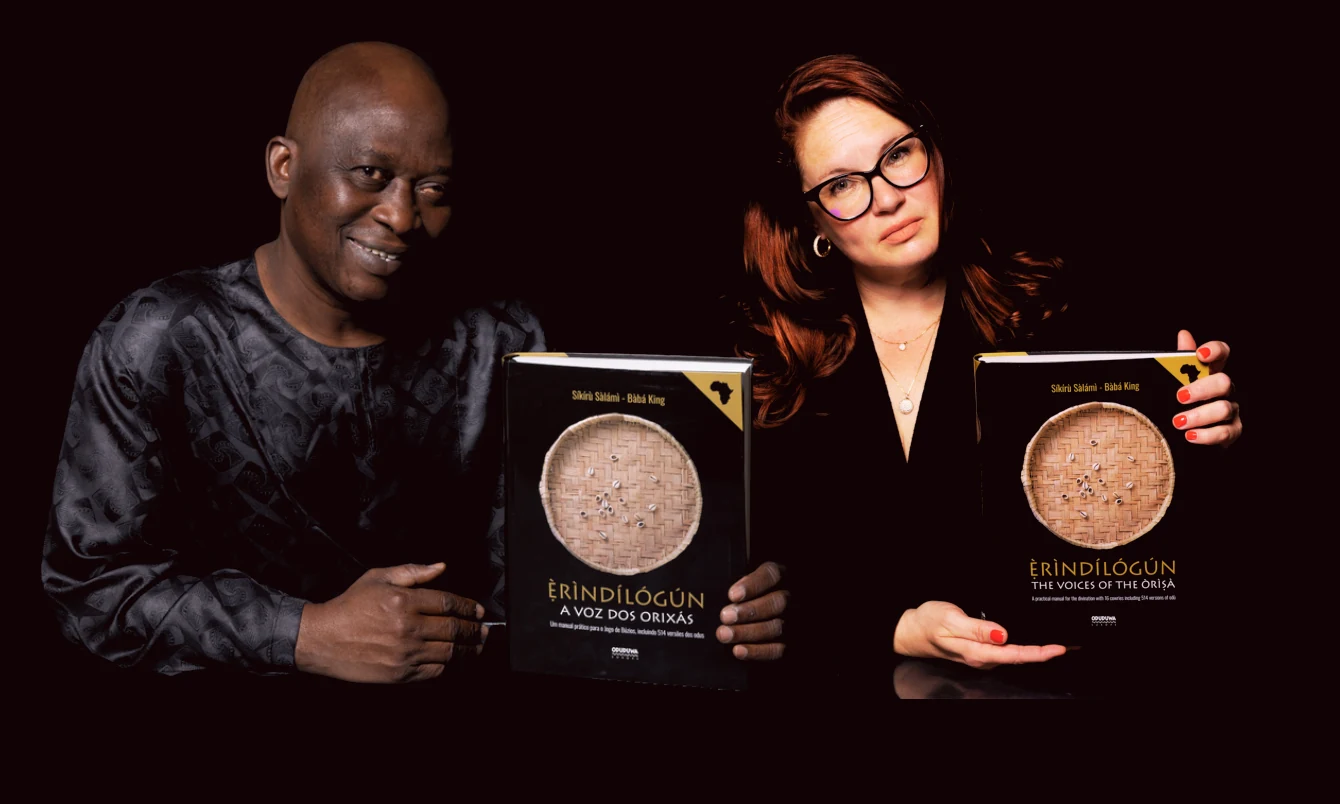
Bàbá King and Maja Mesesnel
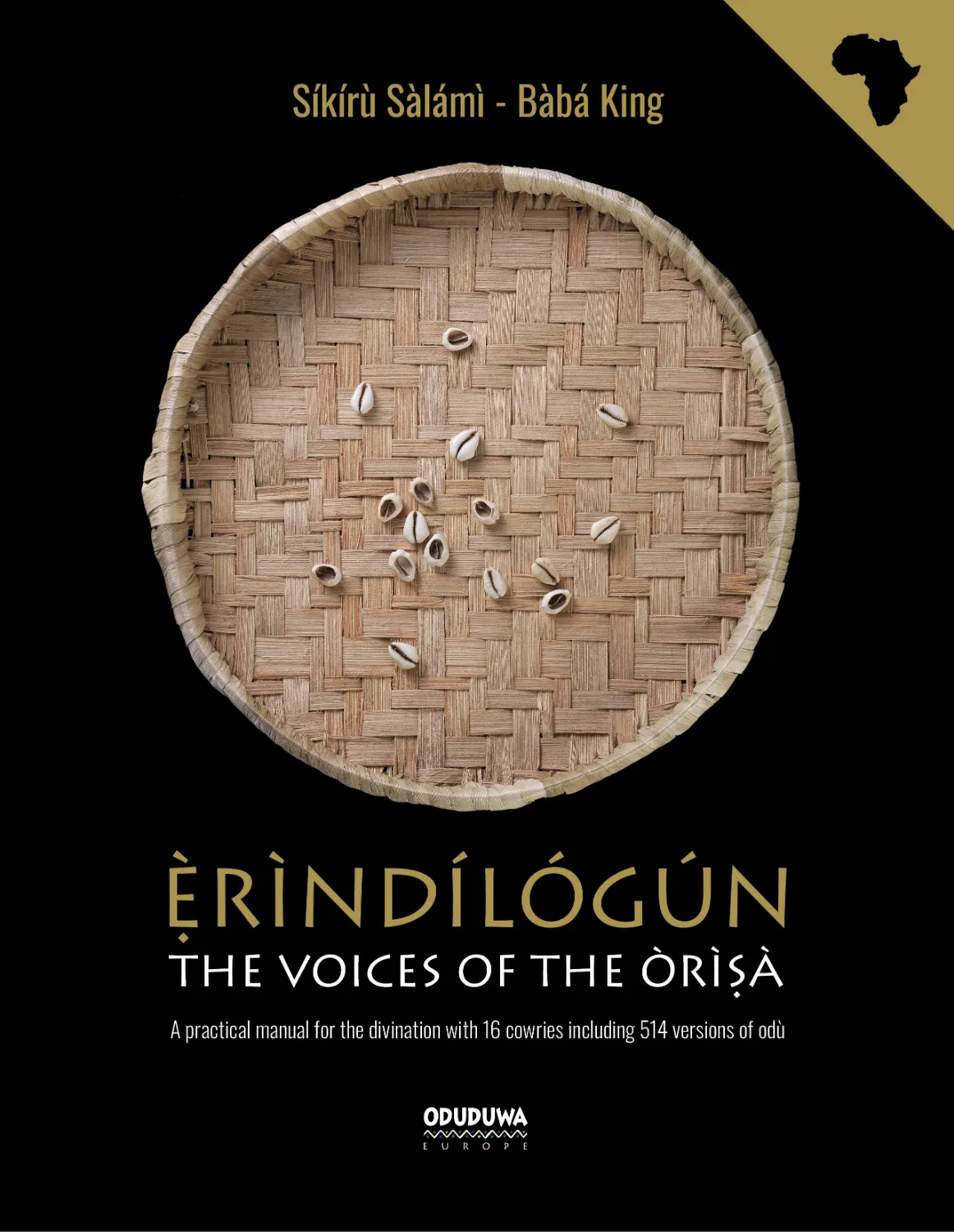
Discover the book and the authors behind this work: Ẹ̀rìndílógún – The voices of the òrìṣà.
© 2026 Bàbá King and Maja Mesesnel. All rights reserved.
Images courtesy of Tina Ramujkić.
Original texts on this blog are the intellectual property of Bàbá King and Maja Mesesnel unless otherwise stated. Images and other materials credited to the Oduduwa Europe Archive or other sources remain the property of their respective rights holders and are subject to their applicable copyright and usage conditions.
No reproduction, distribution, or republication of content without prior permission from the respective rights holder.